
Machine Music
The last episode of The D’Amelio Show, and Charli delivers her closer. When things collide something always has to give. The people who absorb the friction in frictionless transactions.


Why am I watching this 16-year-old girl cry? The tears feel real, or maybe all metrics of sincerity have been outmoded. This is S01E08, the last episode of The D’Amelio Show, and Charli delivers her closer. It’s something between a documentary interview and a reality confessional. She is away from her family now in a baby blue cable knit cashmere sweater. A crew neck, the kind with the expensive looking loose knit. I wonder if this is rehearsed. Something in me senses that it’s all too private, like I shouldn’t be seeing this.
So for whatever that’s worth, she feels genuine to me in this moment. “No one’s really given us a chance to show what it’s really like and how it’s not always picture perfect and how it’s not always a rollercoaster going up. No one wants to see real life. They want to see highlight reels. Like when you look at it from an outside perspective I completely understand why everyone thinks it’s like, it doesn’t make sense to feel the way that I feel sometimes.” Maybe it has to do with the way her voice cracks when she says “they see all the good things and they don’t understand why we’re not happy.”
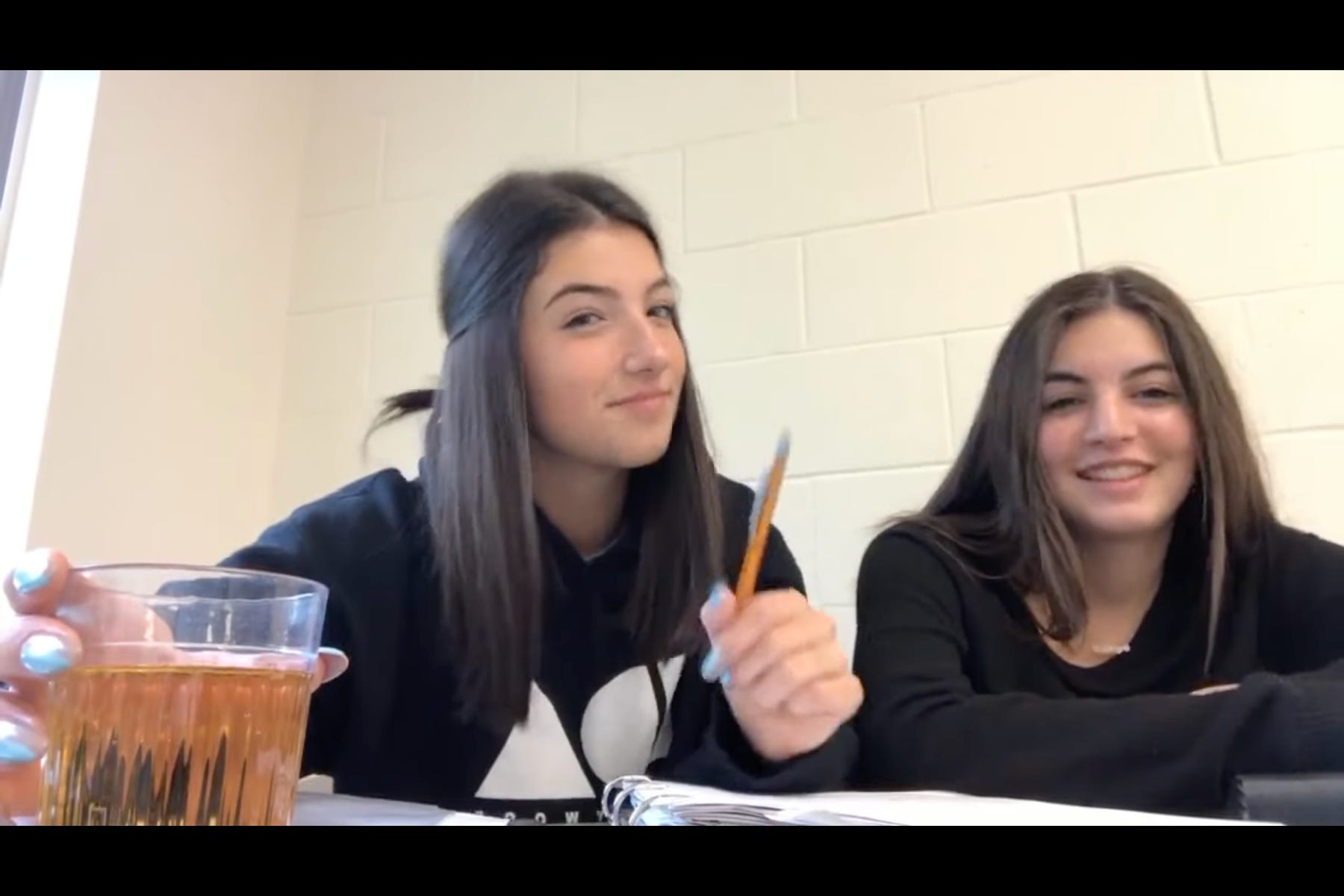
I’ve noticed a type of suffering that manifests at the membrane between people and technology. I used to work for this printer named Tony who was missing a few fingers, some accident in the shop though I never found out what. I think the pain point is just more apparent right now or it feels like it keeps coming up or maybe I’m forming my own standard for a pattern. I think about how Charli D’Amelio was one of any number of girls on TikTok just like her until she got dropped into the pneumatic tube of culture on lottery mode. She really does seem guileless in her early videos. And now she lives at the center of a family thats been turned into a corporate org chart, the engine to a life they are all told is better, and the sense I get is that they just feel bewildered most of the time. It begs the question, who is this all for?
There’s this snippet from an episode of the Contain podcast I’ve held onto where Cody Wilson talks about how the thing people find most grotesque about his 3D printed guns is not their firepower but that they are the physical manifestation of digital language. He might be right. His project does seem more reactive than just guns in general. This feels similar to all the bodies in high-vis vests and helmets and gloves, the faces obscured by the sleek surfaces that offer to manifest the internet. The apps that map digital networks onto lived space. These people absorb the friction in all the frictionless transactions.
I’ve been thinking about the Italian fascist’s machine art from the early 20th century. Music made from metal clangs, a forbear of industrial techno. Or “Maxwell’s Silver Hammer.” Or Marilyn Manson body horror, vice grips on bone. It’s evocative of a feeling similar to the one I get when I walk through an area built specifically for cars. When things collide something always has to give. I think this is why I was re-reading Rachel Kushner’s The Flamethrowers recently. In it she describes a mob of motorcyclists as they take over pre-war Rome. “They were on Via Nazionale, streaming through the dark in a cavalcade of motorbike headlights, under the glow of argon and neon. He could see the dim lights in the fountain up ahead, in the vast Piazza Esedra. The night felt like it would burn.”
Why do we like the feeling of cold metal on our skin?